


Tense cheeks in the morning, a tired jaw, or headaches at the temples — and your partner mentions grinding noises at night: these are typical signs of bruxism, unconscious teeth grinding or clenching. Many people don’t notice it themselves for a long time. At our private practice in Wuppertal, assessing bruxism is part of our functional diagnostics.
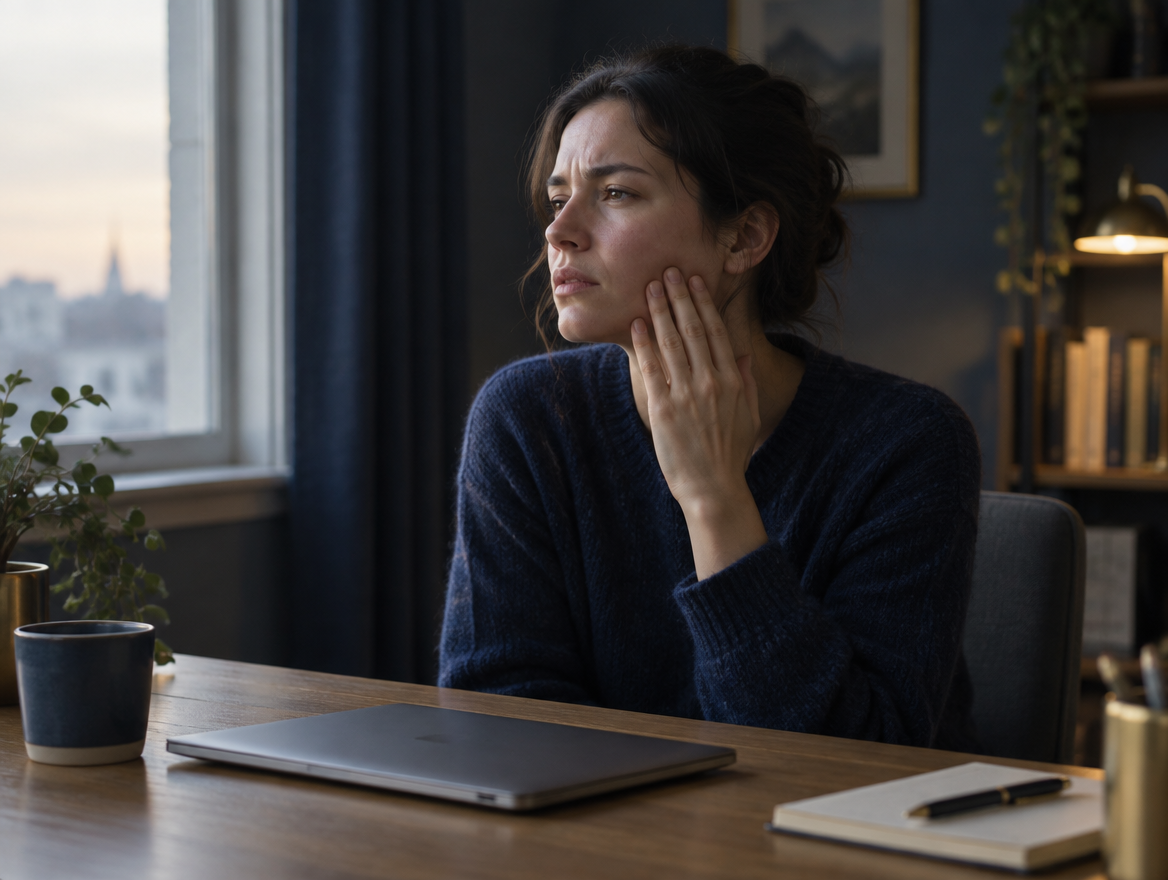
With grinding, the teeth rub against each other under pressure; with clenching, they bite down hard without movement. Both can happen during sleep or during the day — for example while concentrating at a screen or driving. The forces involved are often far higher than during normal chewing.
Common triggers
- Stress and tension: sleep problems also encourage grinding
- Bite contact issues: for example after new fillings or crowns
- Evening stimulants: caffeine, alcohol or nicotine
- Medication: some medicines can promote bruxism — discuss this with your doctor
Possible consequences
- Tooth wear: flattened chewing surfaces, enamel cracks or chipped fillings
- Muscle overload: painful, tense chewing muscles
- Jaw joint complaints: potentially leading to temporomandibular joint disorder (TMD)
- Damage to restorations: even high-quality crowns, bridges or implant restorations are at risk
The occlusal splint: protecting teeth and joints
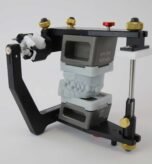
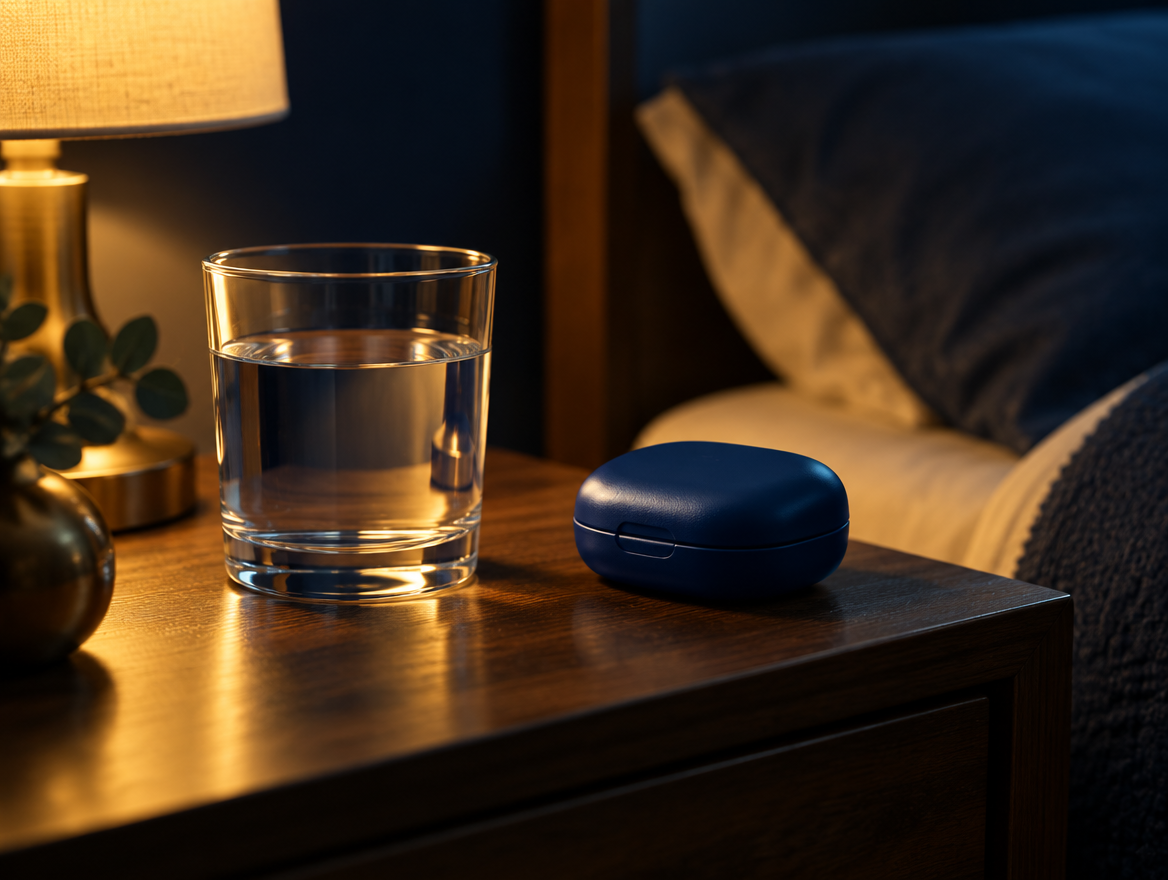
A custom-made occlusal splint is usually worn at night. It distributes forces evenly, protects tooth surfaces from further wear, and can relieve the chewing muscles and jaw joints. What matters is a precise fit to your bite — an off-the-shelf splint can, in unfavourable cases, even make the problem worse. That’s why we examine tooth contacts, muscles and joint function before making one, if needed with the CADIAX® by GAMMA Dental (Austria), and check the fit at regular intervals after fitting.
What you can do yourself
- Practise a relaxed jaw position: during the day, keep lips gently closed with teeth slightly apart
- Evening routine: build in time to relax before bed
- Cut back on stimulants: avoid caffeine and alcohol in the evening
Frequently asked questions about teeth grinding
- How do I know if I grind at night? Often a partner or housemate notices the noises first. Morning tension or visible wear on the teeth are also clues.
- Do I have to wear the splint forever? This varies. Some people wear it long-term; for others, the need decreases as triggers like stress change.
- What does a custom occlusal splint cost? Cost depends on diagnostics and the design, calculated transparently under the GOZ fee schedule, with a written treatment and cost plan provided in advance.
Do you suspect you grind or clench? In our 60-minute consultation, we clarify the causes and findings and discuss whether a splint makes sense for you. Book an appointment online or via our contact page.
Note: This article is for general information only and does not replace a dental examination.