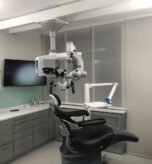



Many people first see other specialists for headaches, neck pain or ear discomfort — only to learn later that the cause may lie in how the jaw joint, chewing muscles and teeth work together. Dentists call this a temporomandibular joint disorder, or TMD. At our private dental practice in Wuppertal, we take the time to properly assess these complaints, with care, precision and transparency.
TMD is an umbrella term for functional disorders of the chewing system. It involves the two jaw joints, the chewing muscles, and the way the upper and lower jaw meet (occlusion). When this interplay falls out of balance — through teeth grinding, stress, uneven tooth contacts or extensive dental restorations — symptoms can appear that reach far beyond the mouth.
How to recognise possible TMD
- Jaw joint noises: clicking, grinding or popping when opening or chewing
- Limited jaw opening: restricted or deviating to one side
- Muscle tension: tender chewing muscles, especially in the morning
- Head and neck pain: often at the temples, plus neck and shoulder tension
- Ear symptoms: pressure or noises with no ENT diagnosis
- Tooth wear: a sense that “your bite doesn’t fit anymore”
None of these signs alone proves TMD. That’s why a careful examination matters — if needed, in coordination with your GP, ENT specialist, orthopaedist or physiotherapist.
How we assess it at our practice
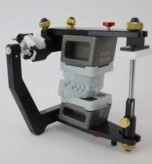
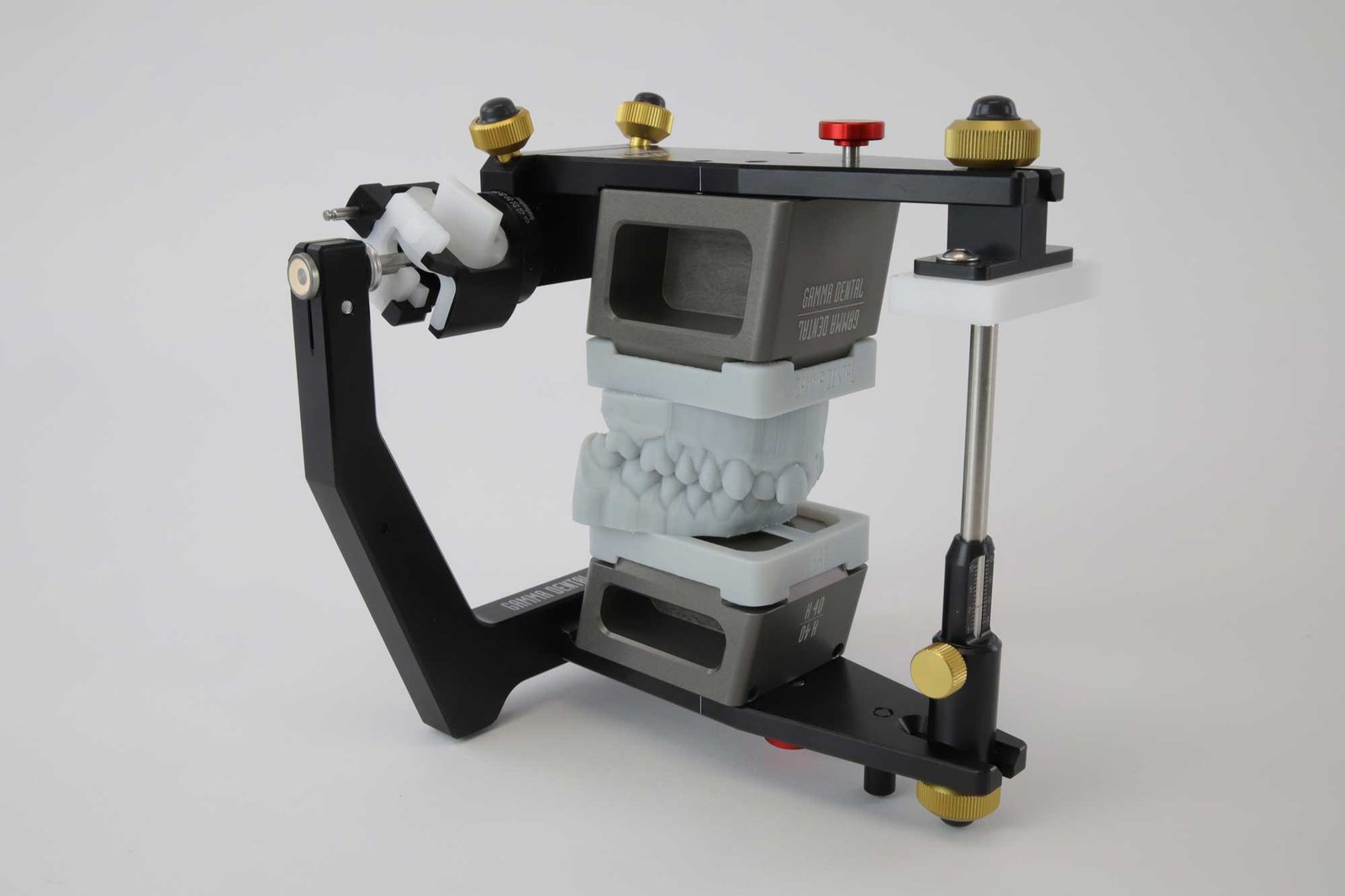
We start with a detailed conversation about your symptoms and their history, followed by a manual functional examination: we palpate the jaw joints and chewing muscles, and check jaw opening, movement paths and tooth contacts. If the findings call for it, we also record jaw joint movement instrumentally — with the CADIAX® by GAMMA Dental (Austria). The system captures the movement paths of both jaw joints electronically, helping us assess function and occlusion objectively and tailor therapy accordingly. Read more about the method in our article on TMJ diagnostics.
Treatment depends on the findings. It often starts with an occlusal splint, accompanying exercises and, where appropriate, physiotherapy. Reshaping the bite or new dental restorations only come into question once function is clarified and stable.
Frequently asked questions about TMD
- Is TMD dangerous? Usually not, but it can noticeably affect your quality of life. Left untreated, symptoms can worsen or teeth can wear down from uneven load.
- How long does treatment take? It depends on the individual findings. Splint therapy often shows first effects within a few weeks; full stabilisation can take several months.
- Will my health insurance cover the cost? As a private practice, we bill directly according to the German fee schedule (GOZ). Supplementary dental insurance often covers this fully or partially; statutory health insurance only to a limited extent.
Our focus is a careful assessment before deciding on a splint, bite adjustment or dental restoration — so the result truly fits your bite. In our 90-minute consultation, Dr Ordzhonikidze takes the time to review your history and carry out the examination. Book an appointment online or via our contact page.
Note: This article is for general information only and does not replace a medical or dental examination. If you experience severe acute pain, jaw lock or swelling, please contact a practice immediately or, outside opening hours, emergency dental services.